𖥸 The Renaissance of the Mind 𖥸
SCIENCE OF PSYCHEDELICS
The world is no longer asking if plant medicine works; we are now asking how to use it safely and effectively. We have entered a new era where ancient ancestral wisdom meets modern clinical rigor.
Today, the intersection of neurobiology and ancient pharmacology is providing unprecedented insights into the human mind, trauma recovery, and the nature of consciousness.

The Neurobiology of Change: How It Works
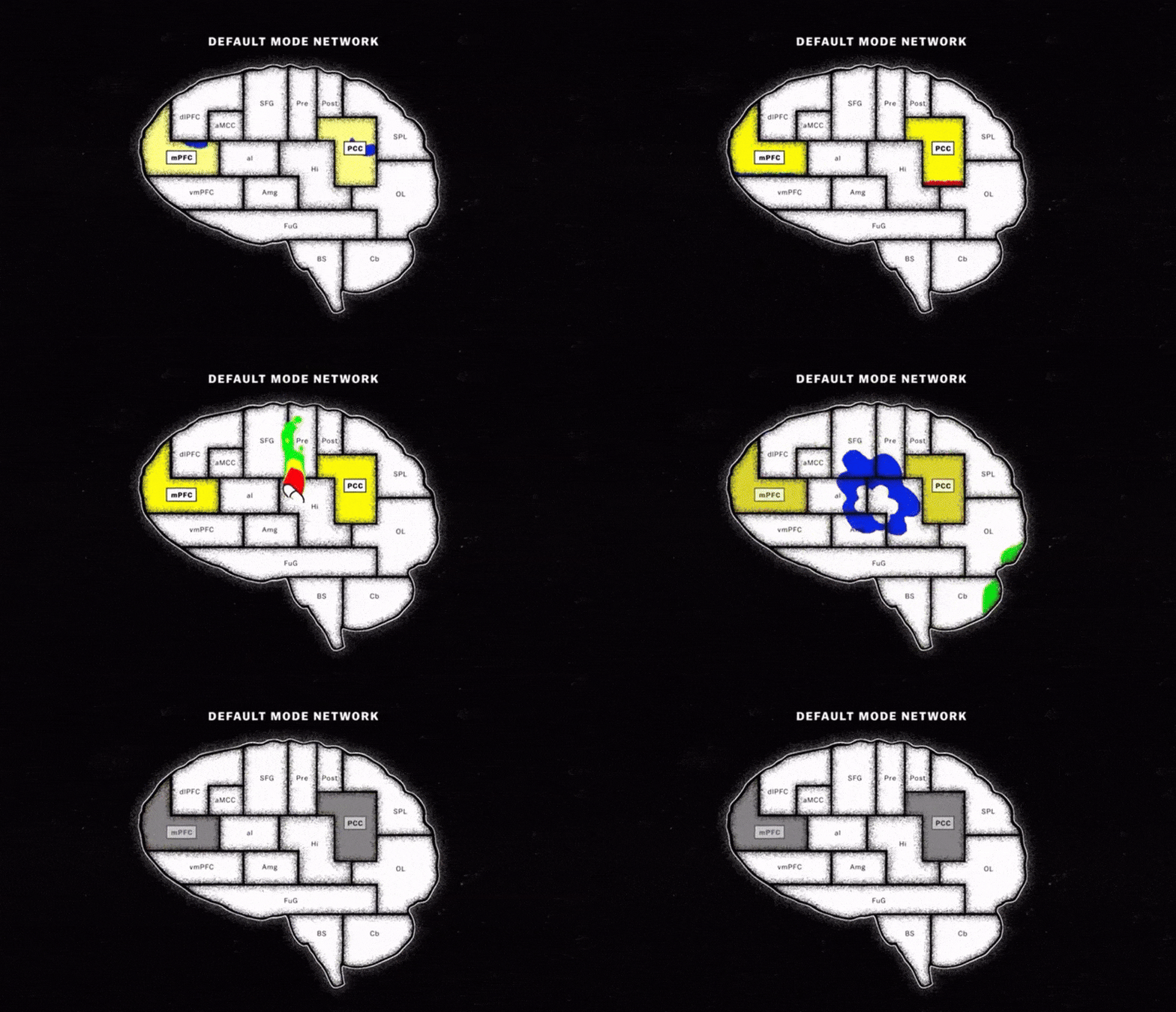
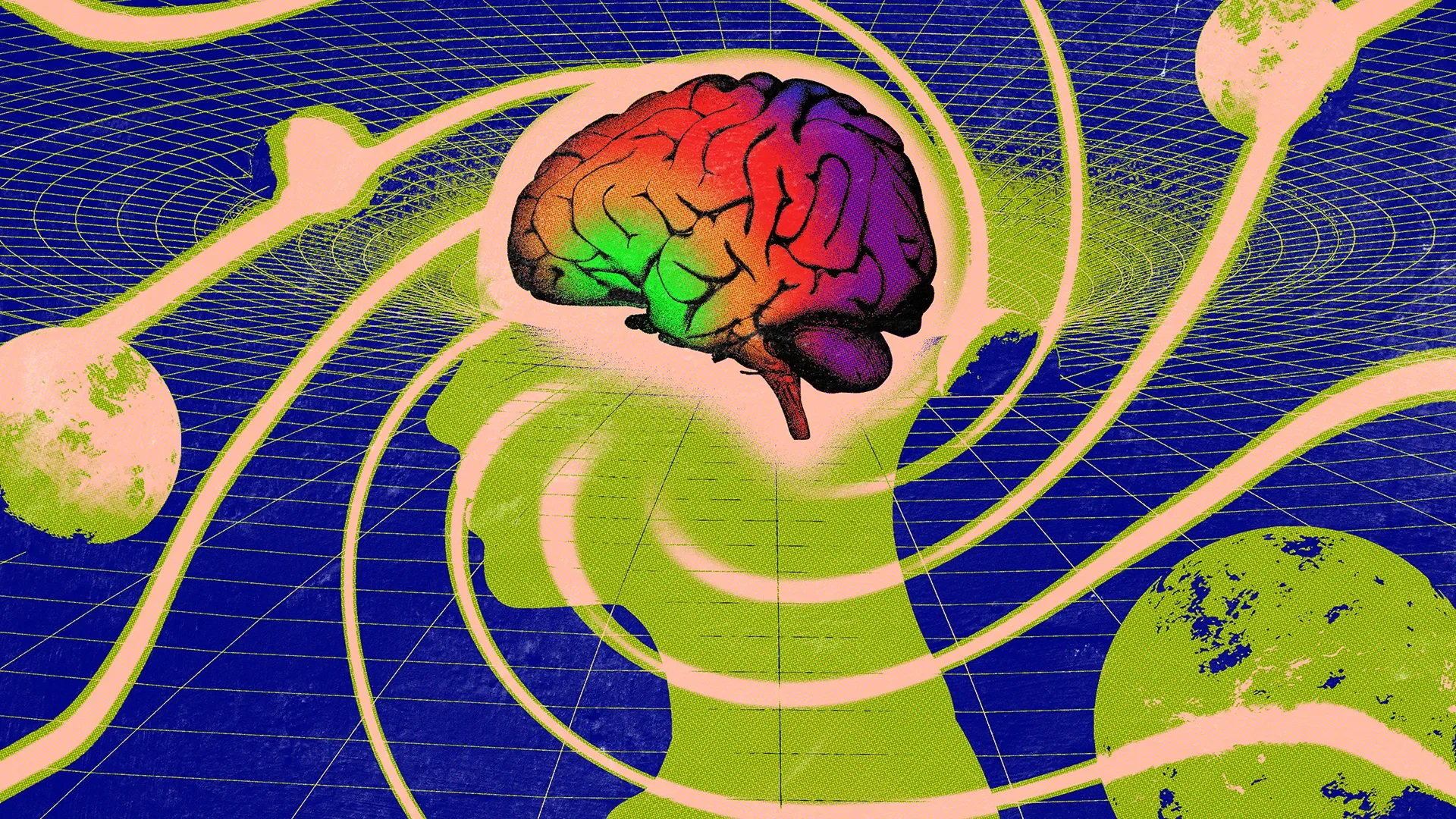
The modern understanding of psychedelics, as explored in the Netflix Explained episode “Psychedelics”: centers on the modulation of the brain’s Default Mode Network (DMN).
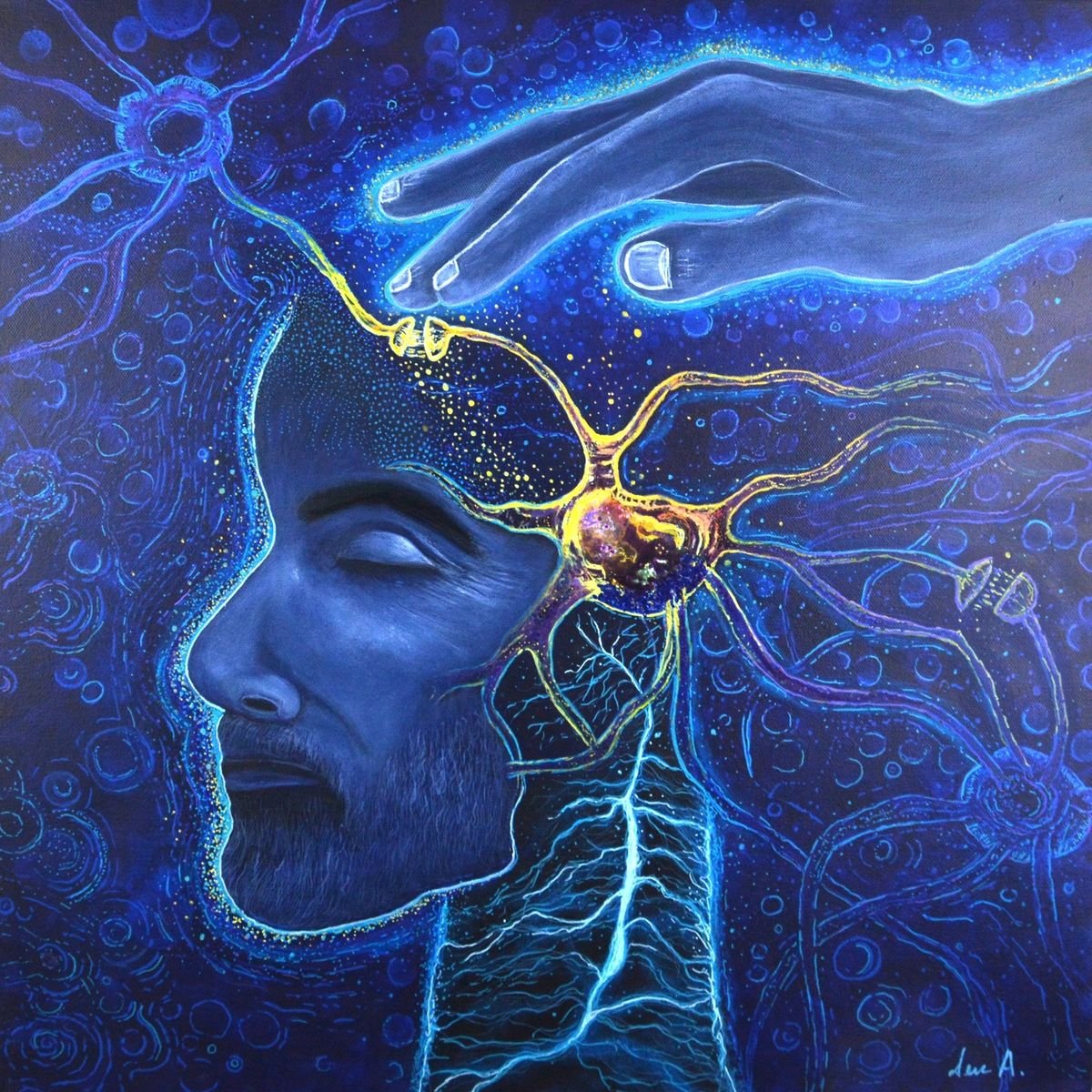
The DMN & The Ego: The DMN is responsible for our sense of self and our habitual thought patterns. In conditions like depression or PTSD, this network becomes overactive and rigid.
Hyper-Connectivity: Under the influence of compounds like Ayahuasca or Psilocybin, the DMN is temporarily sidelined, allowing parts of the brain that don't usually communicate to form new connections.
Neuroplasticity: As discussed by Michael Pollan in How to Change Your Mind, this process creates a “window of plasticity” where the brain is more receptive to learning and rewiring, making it a powerful tool for breaking deep-seated behavioral loops.
The Hyper-Connected Mind:
What Happens in a Tripping Brain
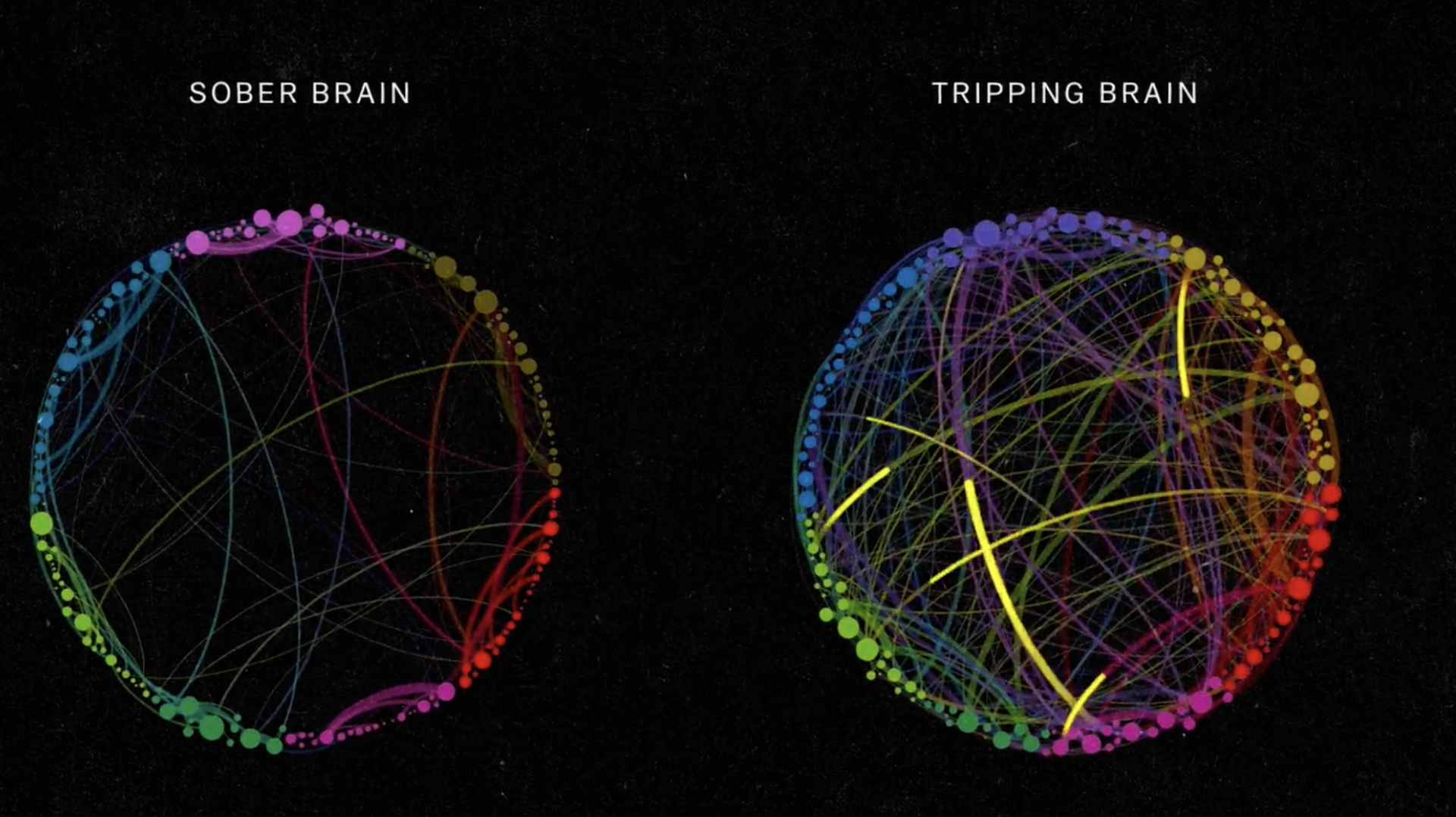
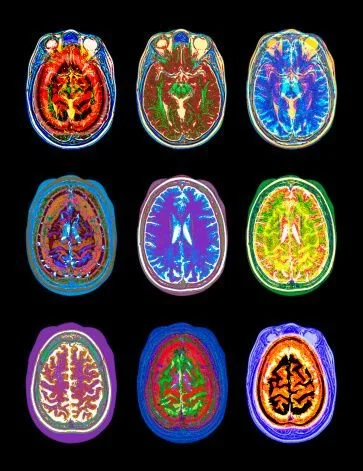
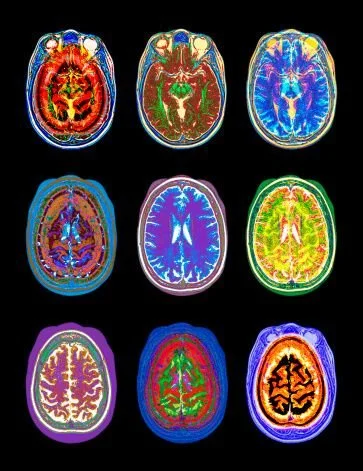
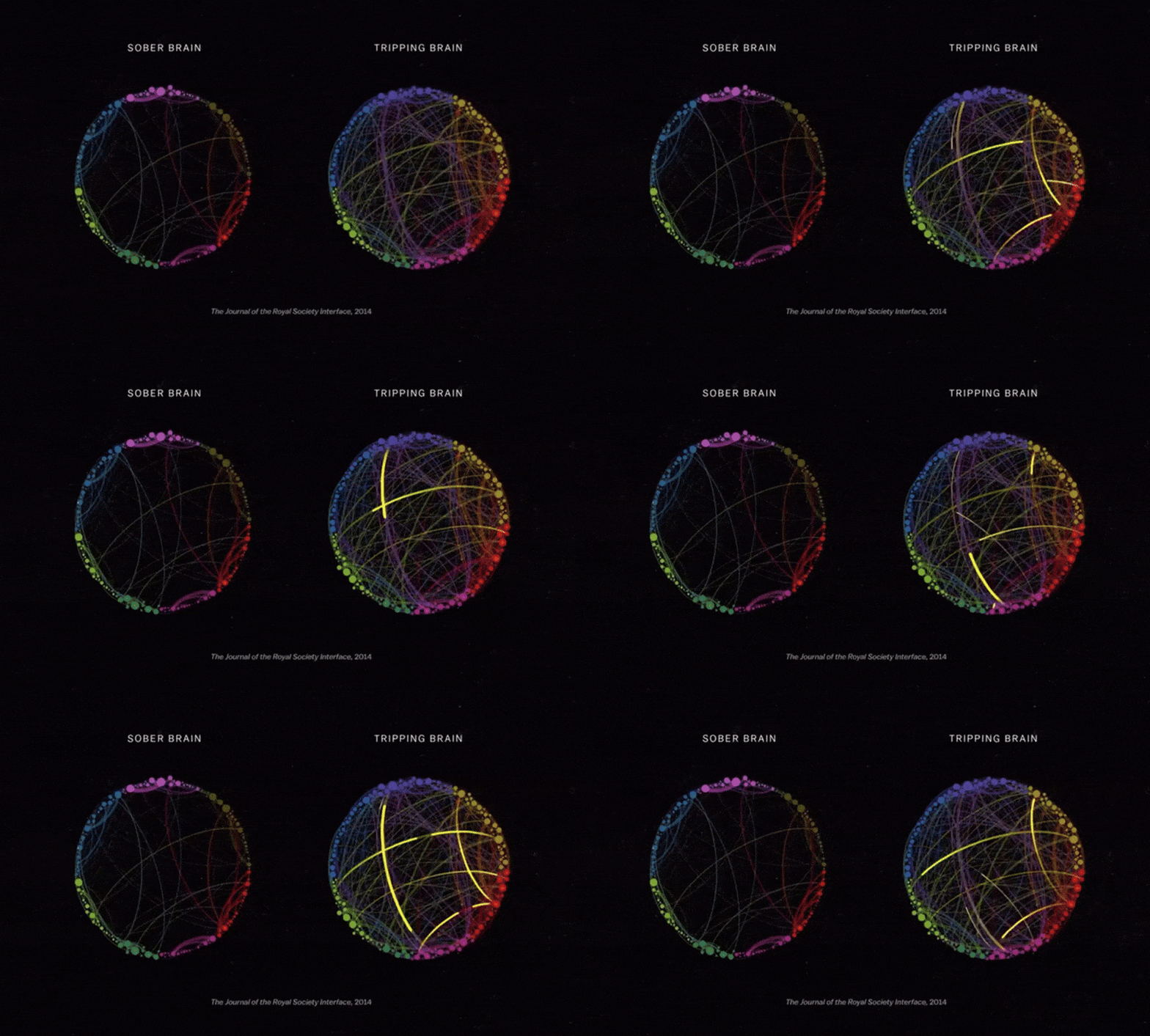
When we look at functional MRI (fMRI) scans, we see a radical shift in how the brain communicates.
Here you can see the massive increase in global connectivity of the brain. In a sober state, brain communication happens within siloed, specialized networks (visual, auditory, motor) that rarely cross-talk. Under the influence of plant medicine, these boundaries dissolve.
The brain enters a state of high-dimensional crosstalk, where regions that have not communicated since early childhood suddenly form direct links. This allows the brain to bypass habitual neural pathways and access “long-range” associations, explaining why participants often experience sudden profound “aha!!!” moments or the ability to view lifelong traumas from an entirely new, objective perspective.

The Mechanics of the Shadow:
Psychological Integration
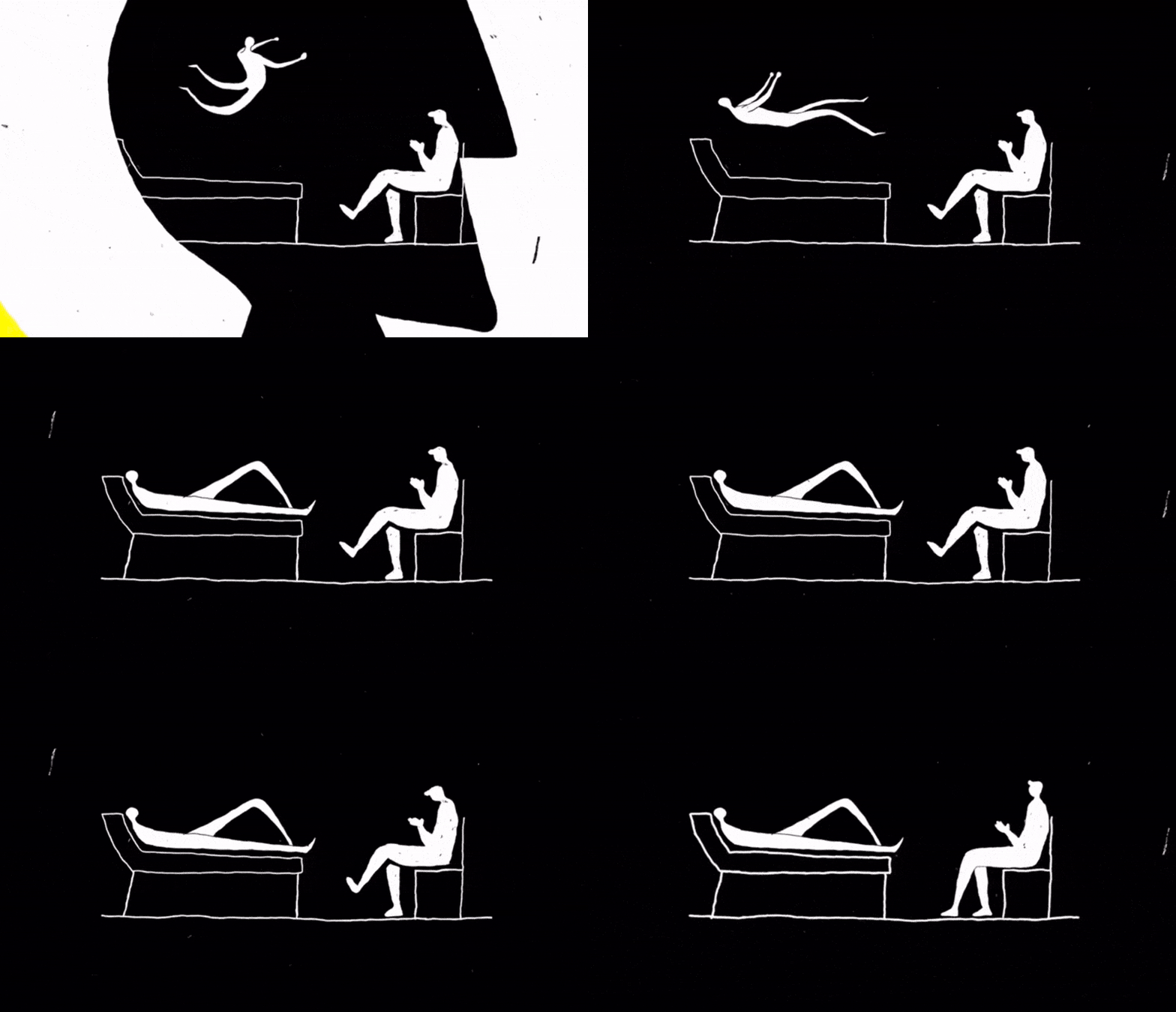
Science is now catching up to what James W. Jesso describes in Decomposing the Shadow. The psychedelic experience often brings “shadow” material: repressed traumas or ignored personality traits → into the conscious mind.
From a clinical perspective, this is known as Somatic Processing. Research, including the TED Talk by Roland Griffiths, shows that the "mystical experience" is not just a hallucination, it’s more of a profound psychological breakthrough that can lead to permanent increases in the trait of “Openness”.
The goal of integration is to take these raw insights and ground them into deep changes in the participant’s daily life.
The Alchemy of Purity: Chemistry Matters
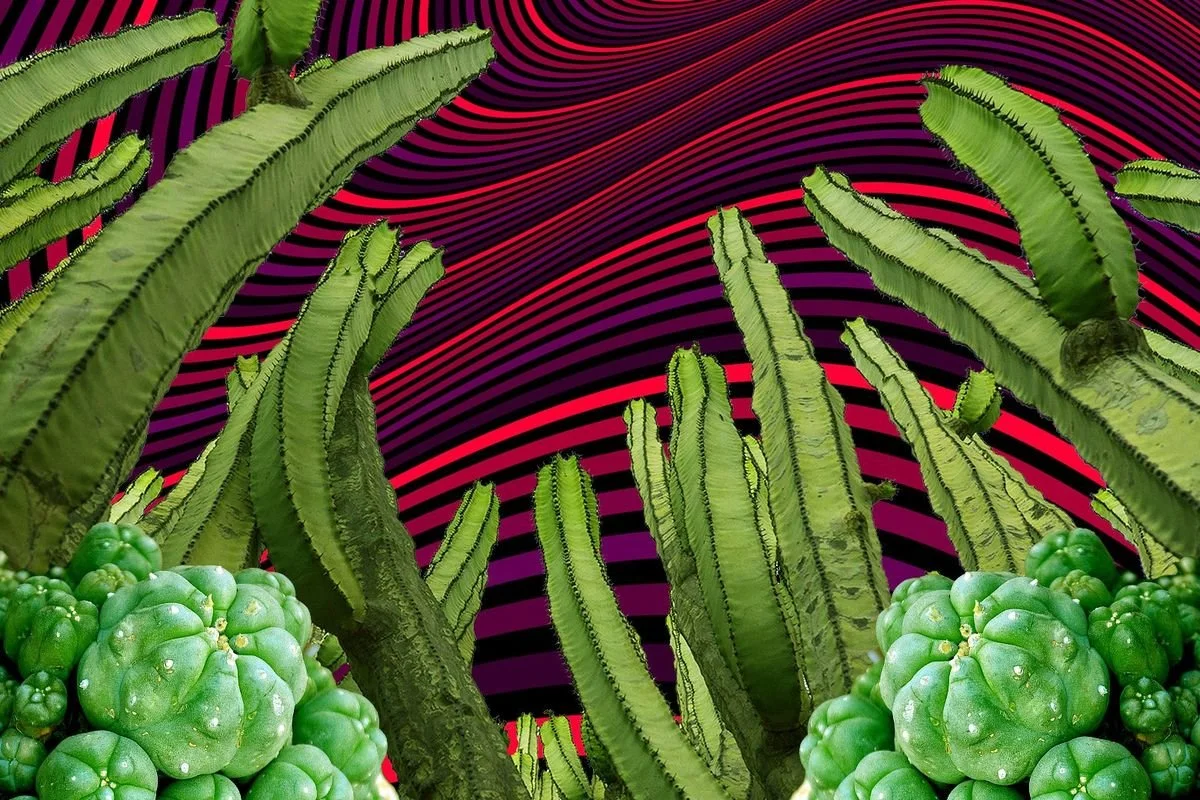
In Food of the Gods, Terence McKenna hypothesized about the co-evolution of humans and visionary plants. In 2026, we apply clinical chemistry to this theory. The effectiveness of a plant medicine journey is directly tied to the alkaloid profile of the medicine. Purity is not just a woo-woo spiritual concept, it’s a chemical necessity. High-purity Ayahuasca, for example, reduces physical “body load” and “noise”, allowing for a clearer psychological process and more efficient neurological rewiring.