Why DMT Is Called “The Spirit Molecule”: The Molecule That Bridges Science and the Soul
In a quiet hospital room in New Mexico in the 1990s, volunteers lay blindfolded on a bed while a researcher injected a clear liquid into their veins. Within seconds, their world shattered. Some described blasting through their own DNA into infinite light. Others met glowing entities in cathedral-like domes of stained glass. One saw a green-skinned woman in the distance, calmly adjusting the brightness of an emerald city floating in the void. When they returned, usually in under 15 minutes, they weren’t the same people.
That substance was DMT: dimethyltryptamine.
And the man running the study, Dr. Rick Strassman, later gave it a name that has stuck ever since: the Spirit Molecule.
But why call a simple chemical compound “spiritual”? Isn’t that mixing science with mysticism? We’ll look at its chemistry, its natural presence in the human body and the plant world, the groundbreaking research that revealed its power, and the profound philosophical questions it forces us to ask about consciousness, reality, and what it means to be human.
It’s the story of a molecule so small yet so potent that a few milligrams can dissolve the boundary between “you” and the universe.
What Exactly Is DMT? A Molecule Hiding in Plain Sight
DMT stands for N,N-dimethyltryptamine. Chemically, it’s ridiculously simple. It’s built from tryptophan, the same amino acid you get from turkey, eggs, or bananas. In just two enzymatic steps, both ancient and found across the tree of life, tryptophan becomes tryptamine, then DMT.
As one scientist in the 2010 documentary DMT: The Spirit Molecule explains: “Biosynthetically it’s two steps from tryptophan. Two trivial enzymatic steps.” Tryptophan is everywhere. The enzymes needed to make DMT are “very ancient” and part of basic metabolism. Theoretically, almost any living organism could produce it.
And many do.
DMT is found in dozens of plants used by indigenous Amazonian cultures for thousands of years. It’s the visionary ingredient in ayahuasca, the sacred brew. But DMT isn’t just in exotic jungle vines. Trace amounts have been detected in human blood, urine, cerebrospinal fluid, lung tissue, and brain. It’s been found in rats and other mammals too.
Your body already makes it… right now, in tiny quantities.
That’s why some researchers call DMT the reality molecule as much as the spirit molecule. In normal life it exists in micro-doses, perhaps even fine-tuning perception. Flood the system with extra DMT (by smoking or injecting pure crystals) and everyday reality dissolves instantly.
The documentary puts it poetically:
“DMT is astonishingly widely available in plants and animals all around the world… but so far nobody knows why it’s there! Or what its function is. That is the 64-billion-dollar question.”
The Paradox That Gave It Its Name
The title “Spirit Molecule” comes directly from Rick Strassman’s 2001 book DMT: The Spirit Molecule. He chose those words deliberately because DMT sits at the exact intersection of two worlds that modern culture usually keeps separate:
The molecule = measurable, external, scientific. You can synthesize it in a lab. You can weigh it. You can study its receptors in the brain (primarily 5-HT2A serotonin receptors).
The spirit = inner, subjective, mystical. The feeling of leaving your body, meeting non-human intelligence, dissolving into pure love, or experiencing the death of the ego and rebirth of the soul.
Strassman, a psychiatrist who had studied Buddhism and meditation for years, saw the parallel immediately. He noticed that deep meditative states, near-death experiences, and high-dose DMT trips produced eerily similar reports: tunnels of light, encounters with beings, a sense of returning “home,” and the collapse of linear time.
He asked the question no one else was brave enough to ask in the 1990s:
What if the pineal gland, the tiny pine-cone-shaped organ Descartes once called the “seat of the soul”, produces a burst of DMT at key moments like birth, death, or extreme stress?
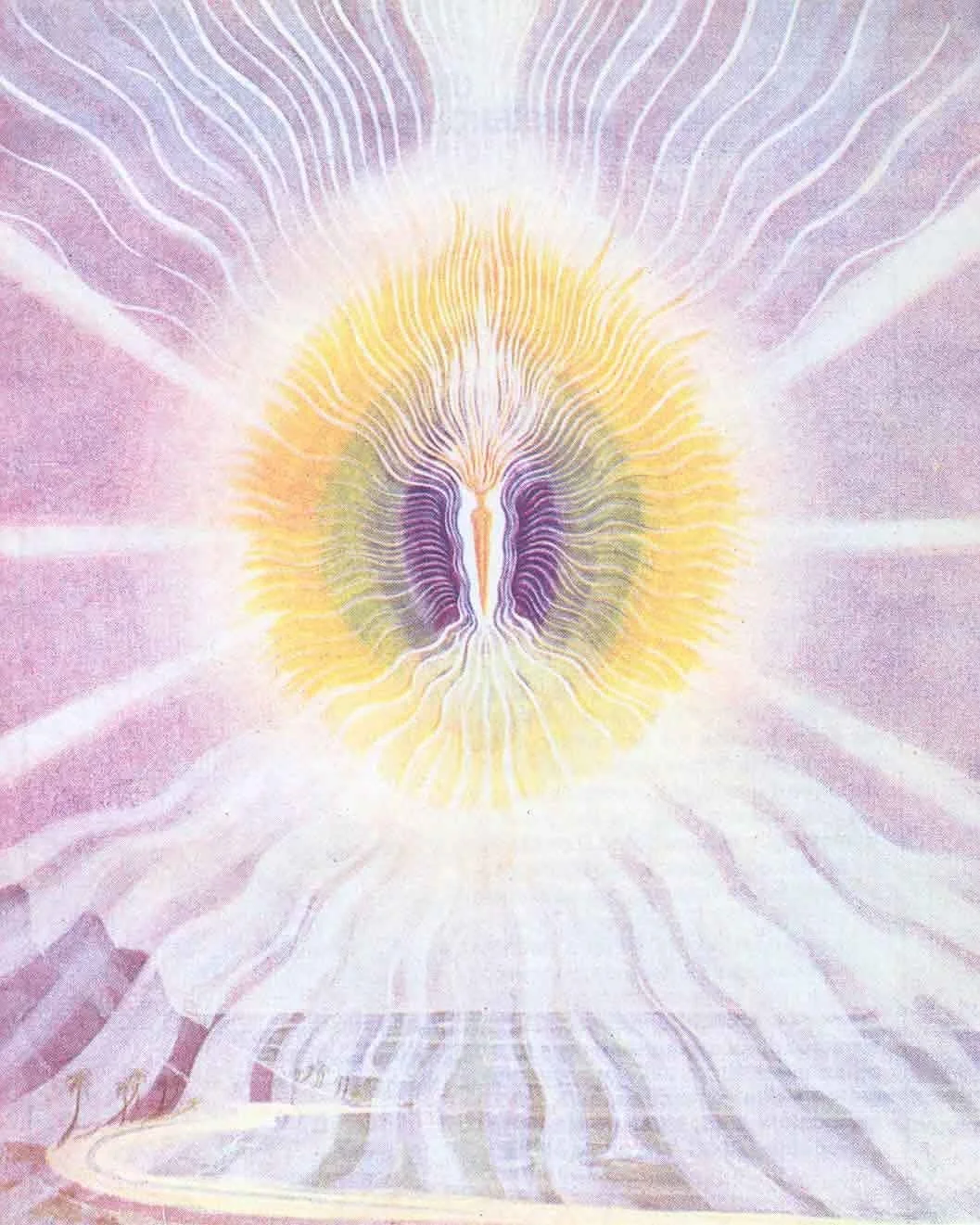
The idea isn’t proven, but it’s compelling. The pineal gland sits in the geometric center of the brain, receives a rich blood supply, and contains the same enzymes needed to make DMT. Ancient traditions: from Hindu, Egyptian, and Tibetan teachings to modern esoteric literature, have long associated the pineal with the “third eye,” intuition, and spiritual awakening.
Strassman’s hypothesis: Under certain conditions (trauma, fasting, meditation, or the moment of death), the brain might flood itself with DMT the same way it floods itself with adrenaline in a crisis. That flood could be the biological mechanism behind the “soul leaving the body” described in near-death accounts for thousands of years.
One volunteer in the study described it perfectly:
“I thought I died… I saw the white clouds, Renaissance, white fluffy clouds, with the gods and the angels… I was at the God-head, the point where all time folds in on itself.”
That’s why it’s called the Spirit Molecule. Not because it’s magic. Because it reliably, reproducibly, and within minutes, takes ordinary people into the same territory once reserved for mystics, shamans, and dying patients.
Inside the Study: What 60+ Controlled DMT Trips Revealed
In the early 1990s, after decades of psychedelic research being shut down by the War on Drugs, Strassman became the first American scientist in a generation to win FDA approval for human DMT studies. He spent two years navigating regulators, synthesized the DMT himself when no one else would supply it, and carefully screened volunteers, mostly experienced but stable adults.
The protocol was simple on paper:
Inject pure DMT
Measure heart rate, blood pressure, and hormone levels
Then ask people to describe what happened while they were “gone.”
What emerged was anything but simple.
Volunteers consistently reported:
A sudden, overwhelming “whoosh” or vibrational hum that shatters normal reality.
The feeling of being blasted out of the body at warp speed.
Encounters with intelligent, non-human entities: sometimes playful, sometimes indifferent, sometimes teaching.
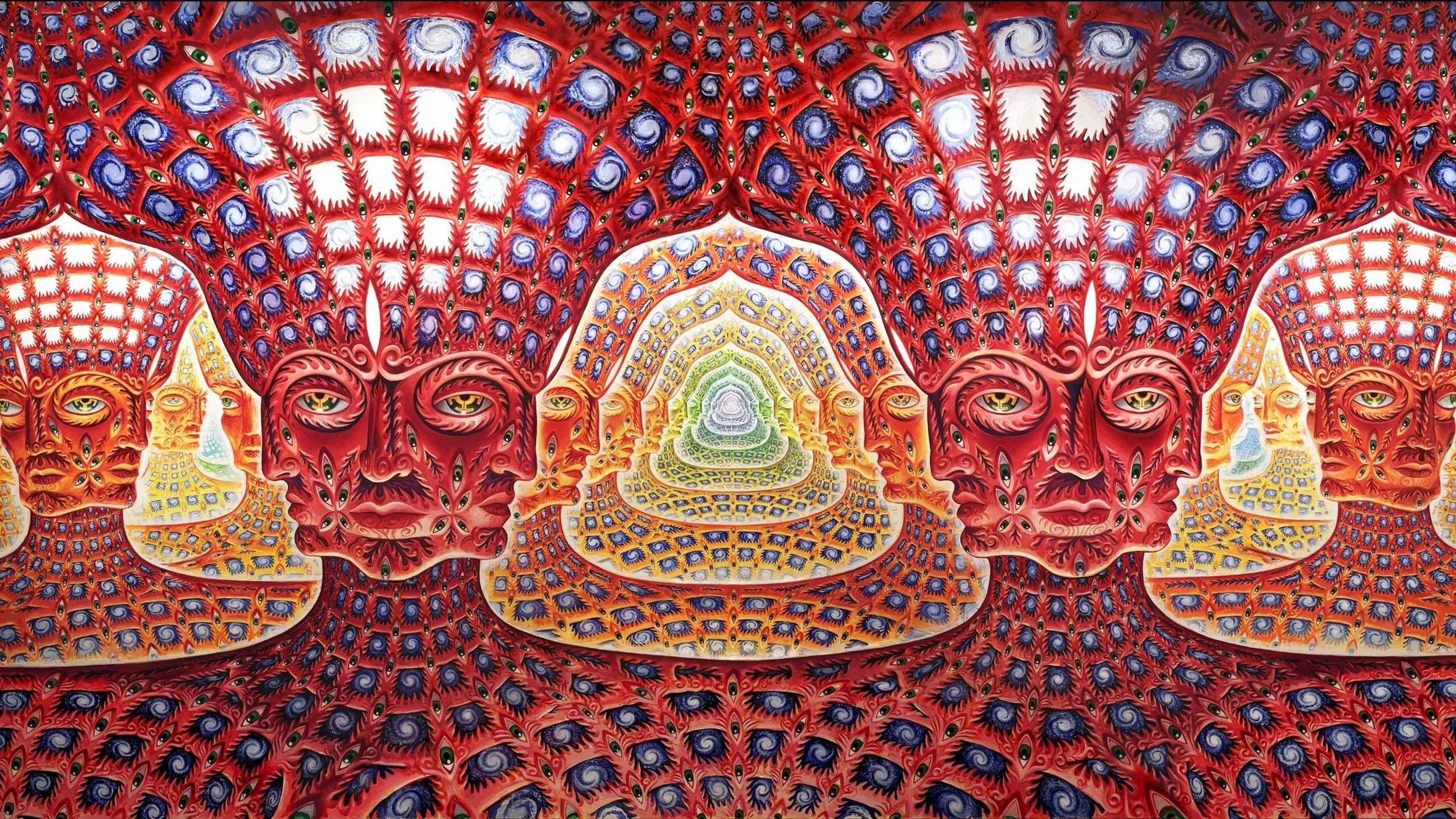
Geometric patterns, machine-like structures, or infinite interlocking “hobby horses” that felt more real than everyday life.
Complete ego dissolution: “You are no longer a human being… there is no concept of time.”
A return to the body with a profound sense of peace or, in some cases, lingering terror at how fragile our normal worldview actually is.
One participant said:
“A thousand years of experience, in 15 minutes.”
Another:
“I was the light… there is no sense of separation, no shadows, no differences, no past, no future.”
Crucially, these weren’t random hallucinations. The reports were strikingly consistent across volunteers who had never met each other. That consistency is rare in consciousness research and is one reason scientists still take DMT seriously today.
Ayahuasca vs. Pure DMT: Ancient Wisdom vs. Modern Rocket Fuel
Smoked or injected DMT is like a “psychedelic bungee jump” or “drive-by shooting.” You’re in your body… BANG… you’re in another dimension… BANG… you’re back. Five to fifteen minutes total. Intense. Harder to integrate.
Ayahuasca (DMT + natural MAO inhibitor) stretches the same molecule into a 4–5 hour gentle journey. The brew “picks you up and gently carries you… hugs you and cleans you and shows you visions… then floats you back down like you’re on a feather.”
Indigenous Amazonian cultures didn’t discover this combination by accident. Through “preliterate chemistry” they created a navigable, therapeutic space.
The Bigger Questions DMT Forces Us to Ask
Why does a molecule this powerful exist inside us?
Why does the human brain have receptors perfectly tuned to something that dissolves the illusion of a separate self?
Is consciousness produced by the brain… or is the brain more like a radio receiver tuned to a signal that already exists?
Strassman himself eventually stepped back from the research, admitting the experiences felt too spiritual to reduce to mere brain chemistry. Many volunteers reported meeting entities that felt independent of their own mind: beings that seemed to have their own agenda, teaching, or presence.
Skeptics say it’s just the brain under extreme neurochemical stress creating comforting hallucinations. Believers say DMT is a key that unlocks doors already present in reality, doors most of us never notice because everyday consciousness is heavily filtered.
Modern physics offers an intriguing parallel: we only perceive about 5% of the universe (ordinary matter). The rest is dark matter and dark energy. What if DMT temporarily removes the filter and lets us glimpse the other 95%?
Therapeutic Promise and Cultural Reawakening
Today, DMT research is experiencing a renaissance. While pure DMT studies remain rare, related compounds like psilocybin (chemically similar) are being tested for end-of-life anxiety in cancer patients, treatment-resistant depression, and addiction. Early results are remarkably positive: a single guided session can produce lasting reductions in fear of death and improvements in mood and meaning.
After the cultural backlash of the 1960s and decades of prohibition, we are slowly learning to approach these tools with respect, science, and humility.
We live in a time of unprecedented material progress and spiritual emptiness. Depression, anxiety, and a sense of meaninglessness are epidemic. Meanwhile, DMT: nature’s own molecule, offers a 15-minute reminder that reality is far richer, stranger, and more interconnected than our daily grind suggests.
It’s called the Spirit Molecule because it does something no other substance does with such speed and reliability: it shows us that the “spirit” isn’t superstition. It’s a dimension of experience as real as love, as measurable as serotonin, and as ancient as life itself.
Whether you see DMT as a neurotransmitter, a sacrament, a research chemical, or a doorway to the divine, one thing is clear: the molecule that earned the nickname “Spirit Molecule” continues to challenge everything we think we know about who we are and where we came from.