How Psychedelics Rewire Your Brain: The Science Behind Their Surprising Mental Health Benefits
Have you ever thought about what really goes on inside your head during a psychedelic experience? We're not talking about wild party stories or old myths... Modern research shows that substances like psilocybin (from magic mushrooms), LSD, mescaline, and DMT can create deep, lasting changes in the brain. These aren't just temporary highs. They seem to shake up stuck patterns of thinking, dissolve rigid self-narratives, and open the door to real healing for things like anxiety, depression, and addiction.
If you're curious about how psychedelics impact the brain, this post breaks it down in plain English. We'll look at the chemistry, the brain scans, the real-world results, and why these compounds might just be one of the most promising tools for mental health we've seen in decades.
The Brain on Psychedelics: From Normal to Hyper-Connected
source: the mind, explained (episode 5: psychedelics)
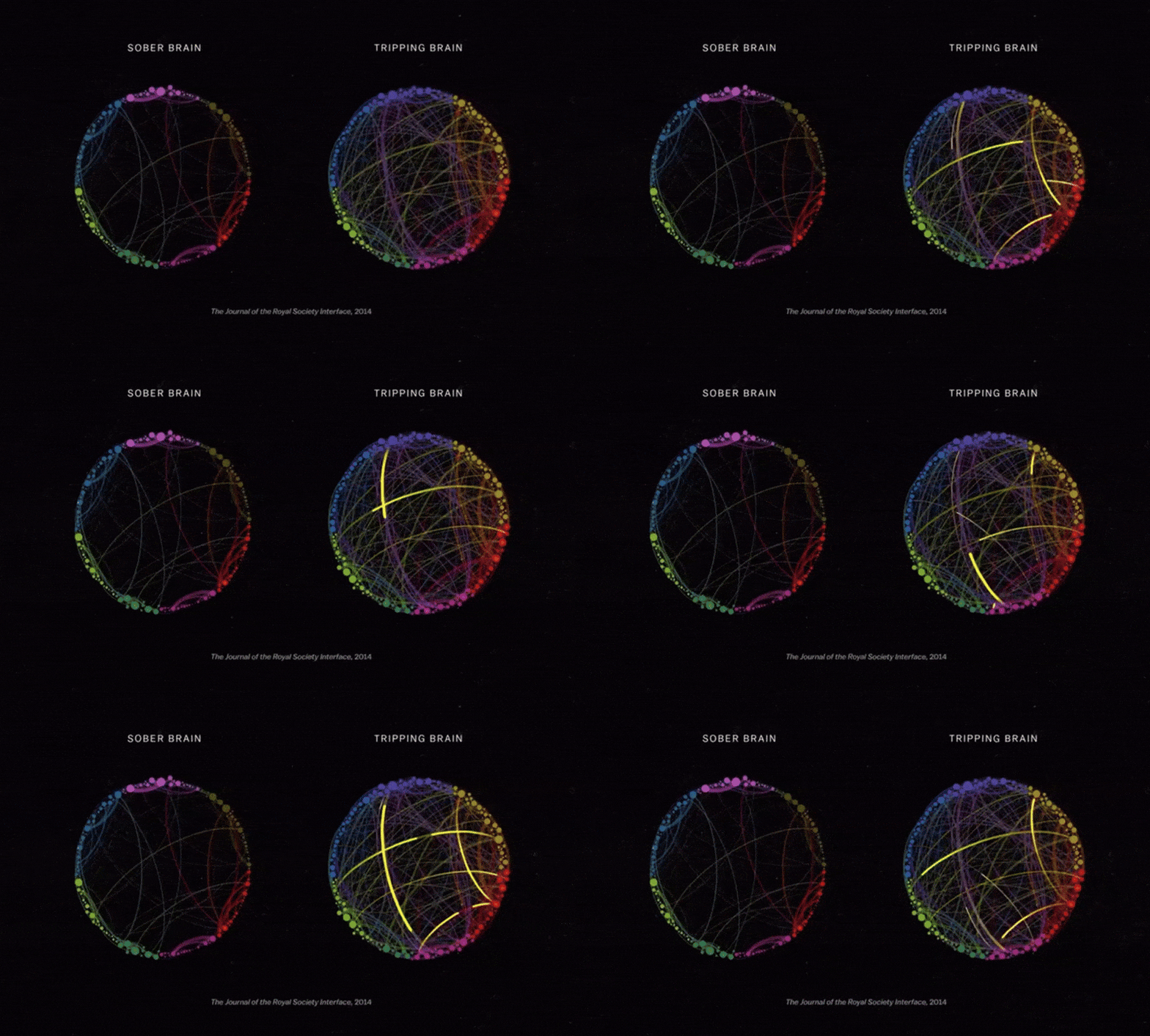
One of the coolest (and most visual) findings comes from brain imaging studies. Picture a normal, sober brain: it's like a neat map with clear highways between specific regions. Certain areas handle vision, others deal with memory or emotion, and they mostly stick to their lanes.
Now flip to a brain under the influence of psilocybin. Suddenly, those boundaries blur. New connections light up everywhere. Parts of the brain that rarely talk are now in lively conversation. This "extreme interconnectivity" is what researchers think might explain why the effects can feel so enduring—your brain gets a rare chance to form fresh pathways.
One scientist described the mind like a snow-covered hill. Your everyday thoughts are like sleds carving deep grooves into the snow. Over time, those ruts get so worn in that it's hard to think any other way—hello, rumination, anxiety loops, and addictive habits.
A psychedelic trip? It's like a fresh blanket of snow. Your sleds can now explore brand-new routes. That fresh powder doesn't last forever, but the new paths you discover can stick with you long after the experience ends.
The Default Mode Network: Shutting Down the "Ego" Chatter
source: the mind, explained (episode 5: psychedelics)
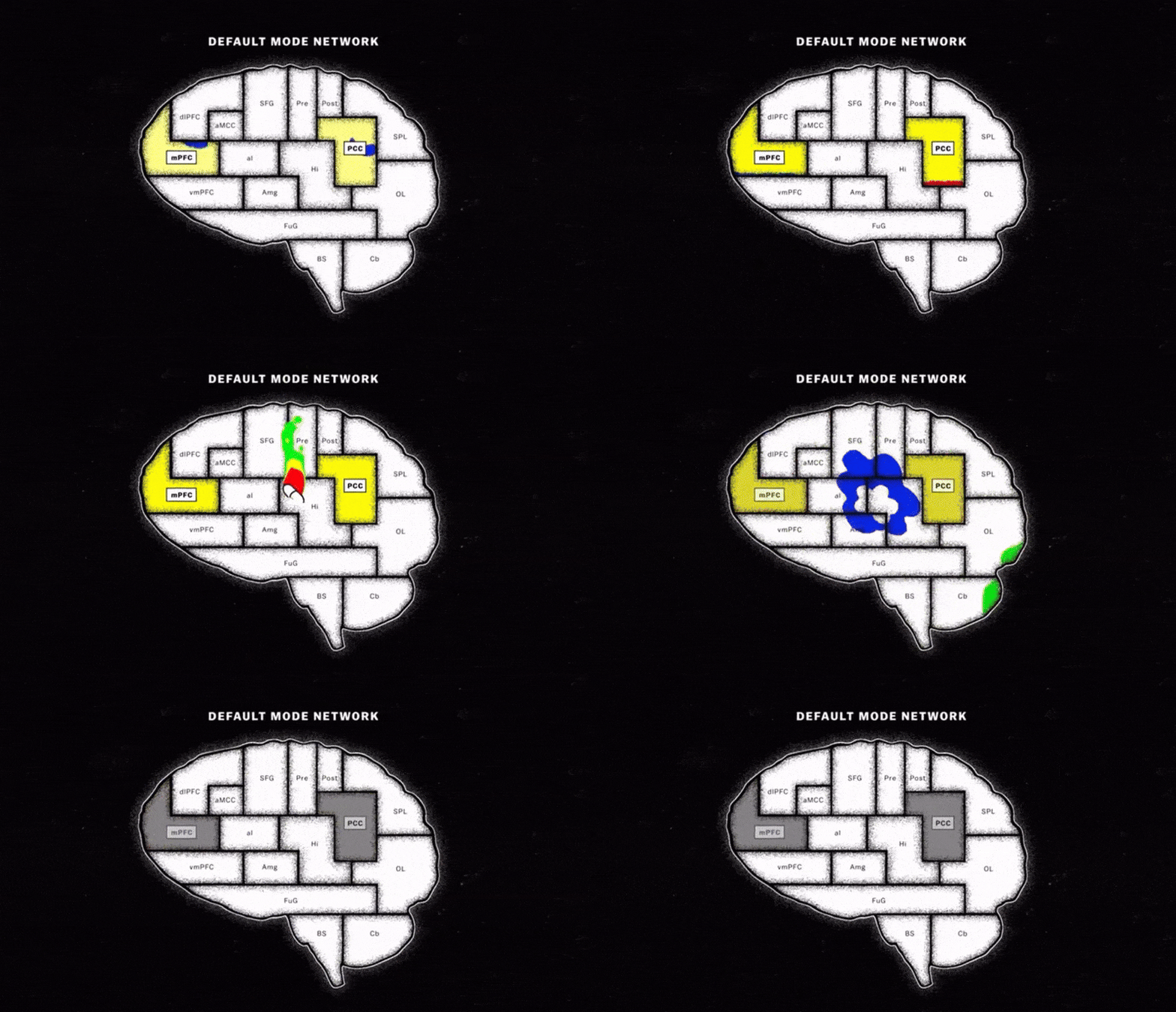
Here’s where it gets really fascinating for mental health. The default mode network (DMN) is the brain’s “me” center: it's the part that lights up when you're daydreaming, reflecting on the past, worrying about the future, or replaying that inner narrative of who you are.
In people dealing with depression or anxiety, the DMN often goes into overdrive.
It's like that annoying chattering voice in your head gets stuck on repeat: You're not good enough. What if it comes back? You'll never change.
Psychedelics temporarily quiet this network. Activity drops, and the tight grip of those negative stories loosens. People often describe it as ego dissolution: you stop feeling like a separate, limited “self” and instead feel deeply connected to something bigger. Many report a sense of love, interconnectedness, and peace that lingers for months.
One participant in a study put it perfectly: after the experience, they walked into their house and started crying with joy because they finally saw who they really were, without all the self-loathing.
Real Results: What the Studies Show About Brain Change and Healing
The brain rewiring isn’t just theoretical, early clinical trials have delivered some jaw-dropping outcomes:
Cancer-related anxiety: Patients struggling with crushing fear of death took a single dose of psilocybin after some prep therapy. Many felt their anxiety melt away almost immediately. Six months later, most were still holding onto that deep sense of peace.
Smoking cessation: In 1 study, a couple of guided psychedelic sessions helped two-thirds of long-time smokers quit for at least a year. That's better than any other treatment ever tested. The key? The experience helped them see their habit differently and choose a new path.
Treatment-resistant depression: In a small group of people who’d tried everything else, every single participant felt at least some relief after psilocybin. For many, it broke the cycle of hopelessness that traditional meds couldn't touch.
These aren't magic pills that fix everything on their own. The power comes from the combination of the brain changes plus intentional preparation and integration afterward. Set and setting matter hugely: your mindset going in and the safe, supportive environment around you.
Not Without Risks: The Honest Picture
source: the mind, explained (episode 5: psychedelics)
Let's be real: psychedelics aren’t risk-free. Pure compounds aren't physically addictive or toxic to the brain like some older scare stories claimed. Large surveys of thousands of users have actually found that lifetime psychedelic use is linked to lower rates of mental health treatment needs.
But challenges exist. A “bad trip” can happen if the setting feels unsafe or your mindset is off: think intense fear or disorientation. Street versions can be laced with other substances. And if someone has a predisposition to certain mental illnesses, there's a small chance it could trigger longer-term issues (though research puts that risk very low).
That's why responsible use, especially in therapeutic settings with trained guides, makes all the difference. Ancient traditions knew this: shamans and elders guided people through the experience for centuries. Modern trials follow a similar model: therapy sessions before and after, music, blindfolds, and someone there to help you navigate the journey and then integrate the insights into daily life.
Why This Matters for the Future of Mental Health
We're still early in the research. These compounds depend more on context than almost any other medicine: where you take them, who you're with, and what you hope to get from the experience all shape the outcome. They offer something unique: a “crash course” in seeing yourself and the world differently.
The old cultural fears from the 1960s have kept research locked up for decades, but the tide is turning. What started as a bicycle ride home for a curious chemist in 1943 has evolved into serious science showing how a brief encounter with these molecules can help rewrite the brain's most painful stories.
If you've been stuck in anxiety, depression, or addiction, it's worth knowing there's growing evidence that your brain can change” and sometimes all it needs is a little fresh snow to find a better path.
What do you think, does the idea of psychedelics as brain rewiring tools surprise you, or have you seen hints of this in your own life?
The mind is more flexible than we ever imagined, and the science is only getting more exciting.