The Incredible Science Of Iboga
Let’s be real for a second: the word "science" usually conjures up images of sterile white coats and boring spreadsheets. But when we talk about Iboga, science starts looking a lot more like a miracle or a very high-tech software update for your soul.
I’ve been looking into why this root works so differently from, well, everything else. Most "medicines" just mask the noise. Iboga? It goes into the basement of your brain, finds the leaky pipes you forgot about in 1998, and actually replaces them.
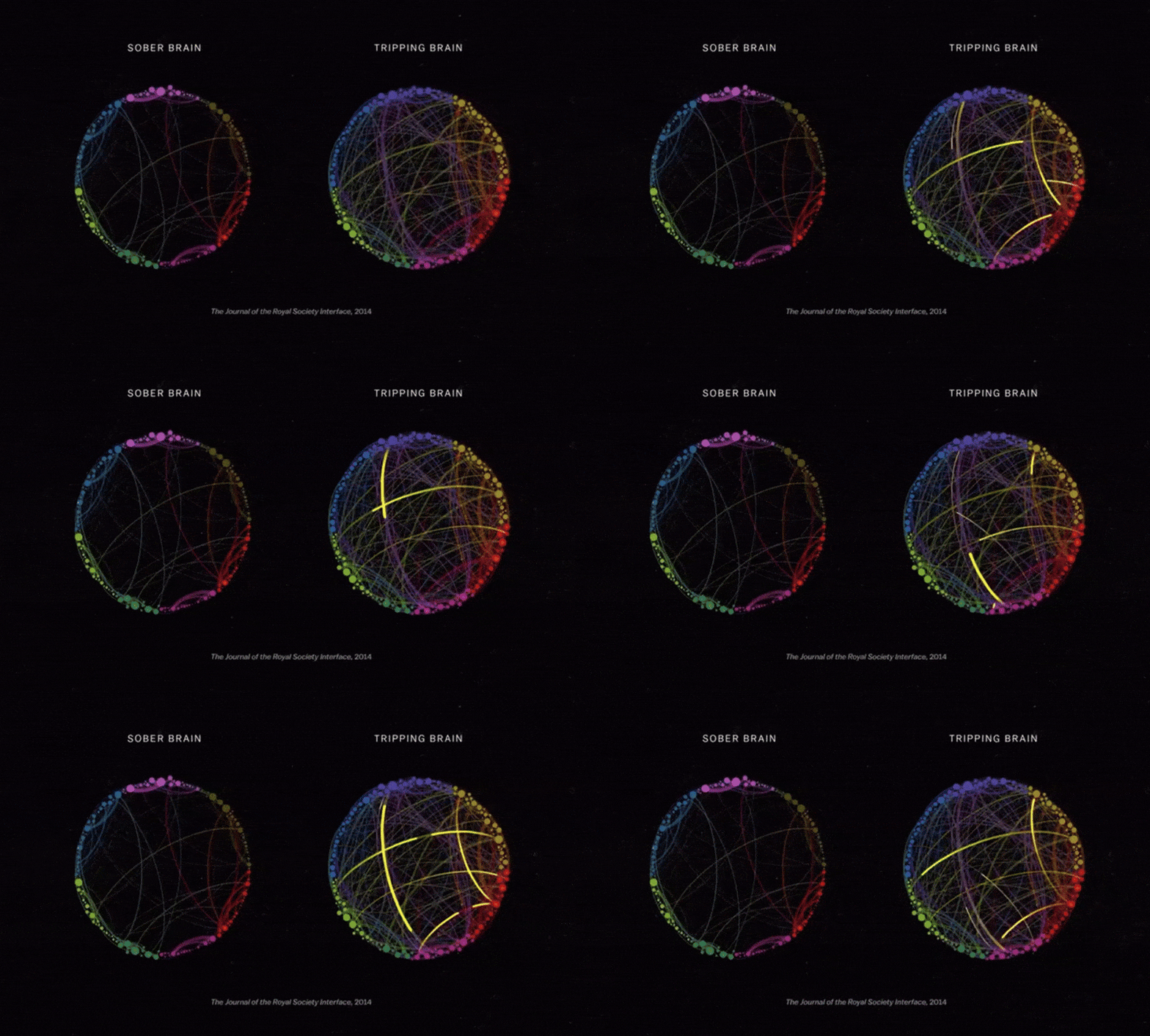
The GDNF Explosion: Brain Fertilizer You Didn't Know You Needed
If you take away one acronym today, make it GDNF. It stands for Glial Cell Line-Derived Neurotrophic Factor.
In plain English? It’s basically high-octane fertilizer for your neurons.
Most of the time, our brains are pretty set in their ways. We have these "neural ruts"—patterns of thinking where we just do the same self-sabotaging stuff over and over because the path is already worn deep. Iboga doesn't just suggest a new path; it triggers a massive release of GDNF that physically repairs and regenerates the dopaminergic neurons.
It’s neurogenesis in real-time. I find it fascinating (and a bit wild) that a plant from the Gabonese jungle knows how to talk to our mammalian brain with such surgical precision. It forces the brain back into a state of "plasticity" usually only seen in children. You’re literally getting a second chance to learn how to be you.
Resetting the "Reward" Circuit (The Addiction Killer) 🔌
We have to talk about the opioid receptors. It’s where the science gets heavy.
Iboga (and specifically its main alkaloid, Ibogaine) is "promiscuous." No, not like that. In pharmacology, it means it binds to everything. It hits the mu-opioid receptors, the kappa receptors, the NMDA sites, and the sigma receptors all at once.
The Result? For someone struggling with chemical dependency, it’s like a "reset" button for the dopamine system.
The Magic? It often wipes out withdrawal symptoms in a single session.
I’ve heard people call it a "painless detox," but that’s a bit of a misnomer. The physical pain might be managed by the chemistry, but the mental work is where the heavy lifting happens. It isn't a magic wand; it’s more like a very intense power-wash for your internal hardware.
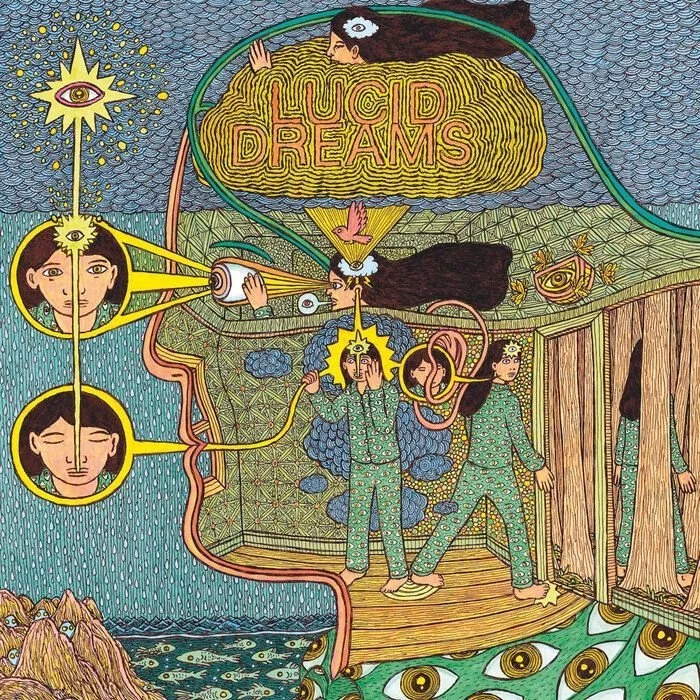
Oneirophrenia: The Waking Dream as Data Processing
Ever wondered why Iboga makes people see "movies" of their lives? Science calls this oneirophrenia.
It’s a state where the dream world and the waking world have a bit of a collision. While you’re lying there, your brain is processing deep-seated data at a rate that would take ten years of traditional talk therapy to match.
"It’s like your subconscious decided to stop hiding files in the 'System32' folder and finally let you see what was slowing down the whole computer."
It’s not just "hallucinations." It’s your brain’s way of sorting through unprocessed trauma: organized, filed, and finally, closed. Perhaps that’s why the "afterglow" of Iboga lasts for months; your brain is literally running on a more efficient operating system.
The Heart of the Matter (Literally)
Look, we can’t talk about the science without the safety stuff. It would be irresponsible not to. Iboga is a heavy hitter, and it puts stress on the heart… specifically something called the QT interval.
This is why we don't mess around with "home ceremonies." You need a heart that’s ready for the marathon. The science tells us that with proper screening: EKGs, blood work, and expert supervision, the risks are manageable. But without them? You’re playing with fire.
True healing requires a safe container. You wouldn't perform heart surgery in a backyard, right? Same logic applies here.
The "Plasticity Window": Your 90-Day Opportunity 🌱
The most underrated part of the science is what happens after the medicine leaves your blood.
Because of that GDNF surge we talked about, you enter a 3-to-6-month "window of plasticity." Your brain is literally soft. This is when the "recoding" actually sticks. If you go back to the same toxic job, the same junk food, and the same negative friends, you’re just writing the old bad code back onto a fresh hard drive.
This is the work. The science gives you the opening; you have to provide the direction.
Final Thoughts
Is Iboga a miracle? Maybe. But it’s a miracle backed by some of the most complex neurobiology we’ve ever seen in a plant. It’s the "Doctor" for a reason. It doesn't ask for permission": it just gets to work.