7 Things To Know About Iboga
Iboga is considered of the most powerful and misunderstood plant medicines in the world.
Originating from Central West Africa and traditionally used in Bwiti spiritual practice, Iboga is known for its depth, intensity, and capacity for profound psychological insight. Unlike many other plant medicines, the Iboga experience is described as structured, analytical, and highly introspective.
1. The “Lifetime Review” Effect
One of the most profound aspects of Iboga is what many call the lifetime review.
During the experience, participants often witness a continuous stream of memories from across their entire life:
Early childhood moments
Family dynamics
School experiences
Friendships
Romantic relationships
Work environments
Defining life events
These memories arise with remarkable precision in a way that reveals patterns, the original events of your actual fears, habits, defenses, or emotional blocks. You may revisit moments that shaped who you are today.
Often, the medicine presents exactly what needs to be seen in order to move forward, including unresolved pain, misunderstandings, or areas where forgiveness is needed.
Rather than feeling chaotic, this process frequently feels intelligent and purposeful, like an internal psychological audit guided by deep subconscious memory.
2. The Experience Is Long and Structured
A full Iboga ceremony (often called a “flood dose”) can last 24 to 36 hours, with lingering effects for several days.
The experience usually unfolds in phases:
Initial physical activation (12 hours onset)
Visionary or memory-based review (12 hours peak)
Cognitive reflection and gradual reintegration (6-12 hours landing)
This structured unfolding is one reason many people find Iboga stabilizing rather than chaotic.
3. Ibogaine is only a single alkaloid extracted from iboga.
The words iboga and ibogaine are often used interchangeably but they are different substances. Iboga come from the plant Tabernanthe iboga and is made from shredding the bark of the shrub. Iboga contains many alkaloids and ibogaine is just a single alkaloid that is extracted from the root bark. Many centers tend to use ibogaine HCL (hydrochloride, or a pharmaceutical grade of ibogaine) only, but we believe the full spectrum of alkaloids present in the whole root bark contributes to the depth and character of the healing experience.
4. It Is Often Associated With Addiction Interruption
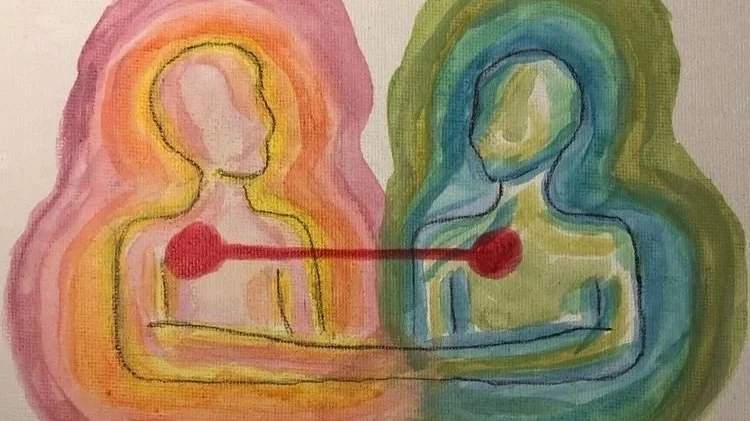
Iboga has gained attention for its potential role in addiction interruption and behavioral reset.
Many participants report:
Reduced cravings
Increased clarity about destructive patterns
Strong motivation to change
However, Iboga is not a miracle cure. Integration and lifestyle change are essential for lasting results.
5. It Is Not Typically an Emotional “Purge” Medicine
Unlike Ayahuasca, Iboga is not usually associated with strong emotional catharsis or intense purging.
The process tends to be more cognitive than explosive. Participants often remain mentally present, reflective, and capable of observing the experiencewith surprising clarity.
6. IBOGA IS ROOTED DEEPLY IN A SPIRITUAL TRADITION.
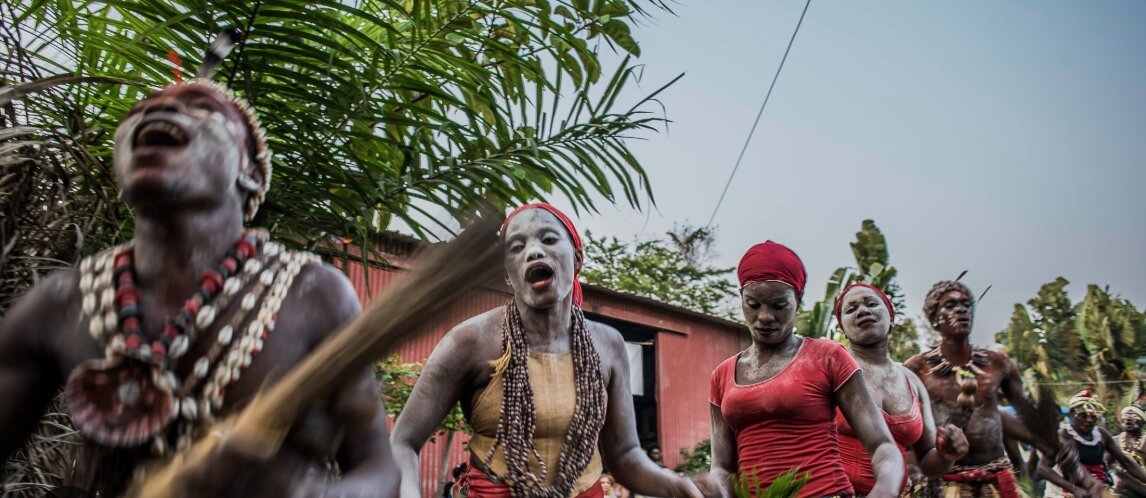
Long before ibogaine was studied in modern contexts, iboga was used as a sacred sacrament within the Bwiti spiritual tradition of Central West Africa.
For centuries, Bwiti practitioners have worked with iboga in ceremonial settings centered around initiation, self-knowledge, and connection to the spiritual realm.
Bwiti teachings emphasize the cycles of birth, life, death, and rebirth, as well as the balance between masculine and feminine energies. Their symbolic colors, red, white, and black, reflect these principles, with red and white often representing feminine and masculine forces in harmony. Within this tradition, iboga is considered a gateway to deeper truth. Practitioners believe it allows one to journey between worlds, access ancestral wisdom, and gain insight into one’s life path. The experience can bring vivid visions and profound understanding of personal history and identity. We recognize and honor the Bwiti roots of iboga work.
7. Iboga Is VERY CLEAR
Iboga is not typically a visual, mystical, or emotionally cathartic medicine in the way Ayahuasca can be. Instead, it often feels analytical, lucid with a deep sense of compassion.
Many participants describe it as “watching their mind think.” There is clarity, observation, and distance, like reviewing your life with heightened awareness rather than being overwhelmed by emotion..
Final Thoughts
When held in a structured, trauma-informed, medically screened environment, Iboga can be one of the most clarifying and transformative plant medicine experiences available.
As with any powerful medicine, safety lies in preparation, screening, experience, and integration.