Ayahuasca Retreat Cost Guide: What You Can Expect to Pay in 2026
People ask this question all the time, often in a hushed tone, as if the topic were slightly impolite:
“How much does an ayahuasca retreat actually cost?”
Fair question. Because if you browse around the internet for a few minutes, you’ll notice something odd. Prices are… all over the place. One center asks $900. Another lists $6,000. Same medicine. Same jungle. Or so it seems.
So what’s going on?
Let’s unpack it. Slowly. Because the cost of an ayahuasca retreat isn’t just about the ceremony itself: it’s about the entire container around the experience.
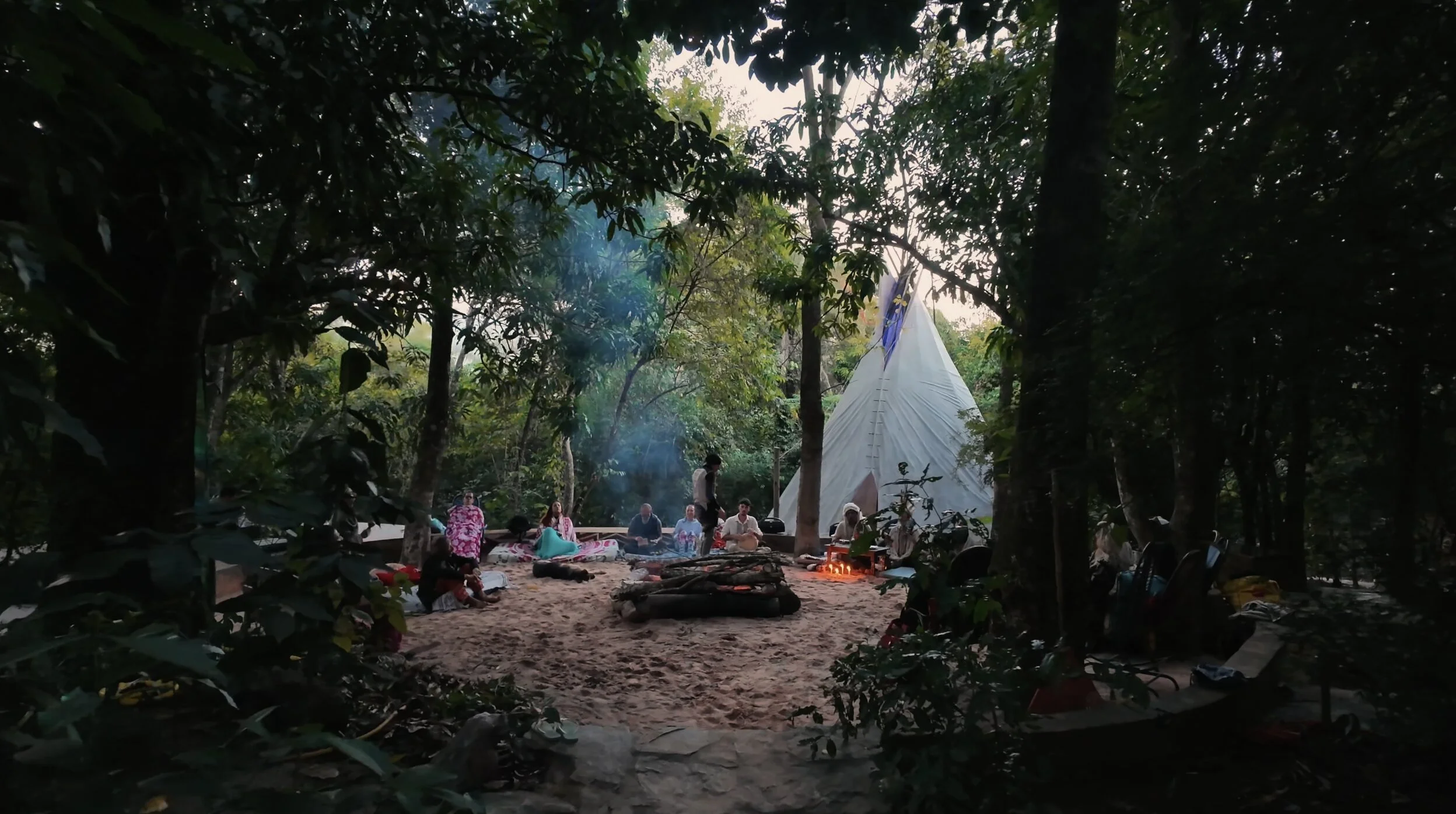
Ayahuasca retreats at Gaya Kali
The Average Cost of an Ayahuasca Retreat
Retreat Length - Typical Price Range
3–4 days: $700 – $1,800
7 days: $1,500 – $3,500
10–14 days: $2,500 – $6,000
3–4 weeks: $5,000 – $12,000
Globally speaking, most ayahuasca retreats fall somewhere within this general range.
That’s the broad landscape. But these numbers only tell part of the story.
Two retreats might cost the same, and offer completely different levels of safety, experience, and support.
Which matters. A lot.
Why Ayahuasca Retreat Prices Vary So Much
Several factors influence the cost of a retreat. Some obvious. Others less so.
1. Experience of the Facilitators
This might be the single biggest factor.
Running a ceremony safely requires years, often decades of training. A facilitator who has guided thousands of ceremonies brings something very different to the space compared to someone who began working with the medicine a few years ago.
Experience isn’t just about ritual knowledge. It’s about:
recognizing psychological processes
handling difficult emotional releases
maintaining energetic stability during ceremonies
When facilitators have 20 or 30 years of experience, retreats naturally cost more. And frankly, they should.
2. Quality of the Ayahuasca
Not all ayahuasca is the same.
The brew itself depends on many variables:
plant sourcing
brewing method
aging process
ratio of vine to leaf
preparation time
Some retreats prepare medicine over several days using traditional methods. Others purchase it or brew quickly.
Higher quality medicine generally means
deeper clarity
fewer unpleasant physical effects
more stable experiences
This is one reason certain centers invest heavily in the preparation of their brew.
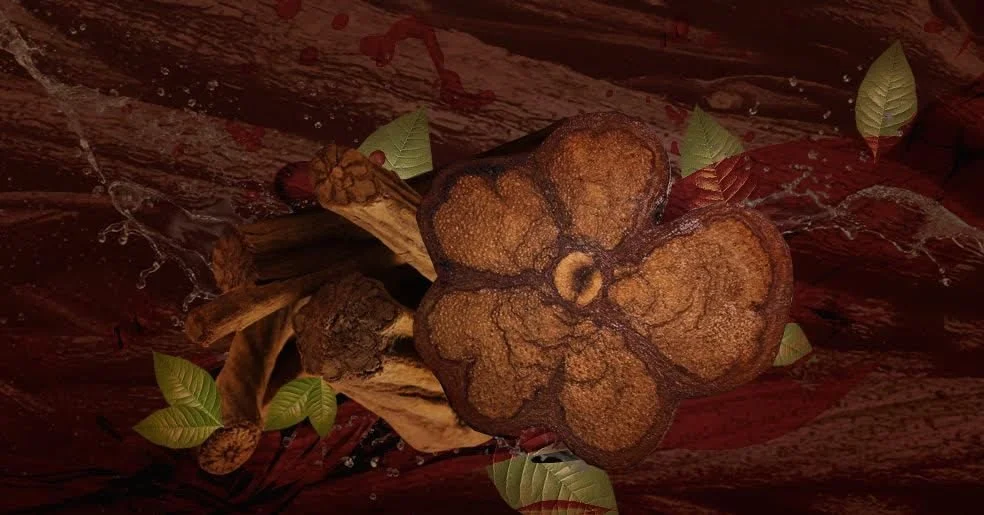
The ayahuasca vine
3. Location
Geography changes everything.
For example:
Peru’s Amazon retreats often cost less due to lower infrastructure costs.
Costa Rica retreats are typically more expensive.
Brazil retreats can vary widely depending on the region.
Retreats located in protected natural environments, national parks, remote jungle areas, or sacred land, often require more resources to operate.
But the setting can also profoundly influence the experience.
4. Accommodation and Facilities
Some retreats are extremely simple.
Picture wooden huts, shared bathrooms, mosquito nets, and basic meals.
Others offer something closer to an eco-luxury retreat environment with:
private suites
organic plant-based meals
hot showers
spa treatments
integration spaces
ceremony temples
Neither approach is inherently better. Some people prefer simplicity; others appreciate comfort while processing intense inner work.
But naturally, infrastructure affects the cost.
5. Integration and Therapeutic Support
Ceremonies are only one part of the process.
Integration: the process of understanding and applying insights from the experience, is arguably just as important.
Higher-end retreats often include:
preparation calls before arrival
integration circles
trauma-informed facilitators
somatic therapy
breathwork sessions
individual support
These services require trained professionals, which increases retreat prices but can significantly deepen the overall outcome.
Example: Ayahuasca Retreats in Brazil
Brazil has become an increasingly popular destination for plant medicine retreats. The country has a long legal and spiritual history with ayahuasca through traditions such as Santo Daime and União do Vegetal.
One center that illustrates the higher end of the spectrum is Gaya Kali, located in the stunning region of Chapada dos Veadeiros.
Retreats there combine:
over 30 years of facilitation experience
ceremonies guided by sacred sound
trauma-informed integration
access to multiple plant medicines
accommodation in private suites surrounded by nature
The center is also known for its carefully prepared ayahuasca, which is aged for approximately 40 days, creating a particularly refined brew.
Programs typically include ceremonies, integration support, nature immersion, and additional healing practices.
Hidden Costs to Consider
When budgeting for a retreat, it’s worth considering a few additional expenses that aren’t always included in the listed price.
For example:
flights to the retreat location
transportation from the airport
pre-retreat medical tests
travel insurance
integration therapy after returning home
These extras can add several hundred, or sometimes several thousand, dollars depending on the destination.
Planning ahead avoids surprises.
(We’re located close to Brasilia International Airport where we’ll organize a taxi pick-up from there. 1 flight, no more)
Is a More Expensive Retreat Worth It?
It depends on what you’re looking for.
Some travelers feel called to very simple jungle settings with minimal structure. Others prefer retreats that offer strong safety protocols, experienced facilitation, and therapeutic integration.
There’s no universal answer.
But when it comes to plant medicines, especially something as powerful as ayahuasca: safety, experience, and integrity matter far more than saving a few hundred dollars.
Choosing the right environment can make the difference between a confusing experience and a deeply transformative one.
Final Thoughts
Ayahuasca retreats can range widely in price, from modest jungle gatherings to fully developed retreat centers offering comprehensive healing programs.
The most important question isn’t simply “How much does it cost?”
It’s this: “What kind of container do I want to hold this experience?”
Because ultimately, the medicine works through the space that surrounds it—the people guiding it, the land hosting it, and the care provided before, during, and after the journey.
Choose wisely.