Iboga Retreat Cost Guide: What to Expect to Pay for Iboga Treatment in 2026
Iboga has developed a bit of a reputation in the world of plant medicines. Not a casual one, either. People often describe it as one of the most powerful psycho-spiritual experiences available—a medicine capable of bringing deep psychological insight, emotional reset, and in many cases, dramatic changes in addictive behaviors.
But when someone starts seriously considering an iboga retreat, another question inevitably appears:
“How much does an iboga retreat actually cost?”
And the answer, somewhat frustratingly, is: it depends.
Prices vary widely depending on location, medical supervision, retreat structure, and the experience of the facilitators. Some programs cost a few thousand dollars. Others reach well over $10,000.
Let’s break down why.
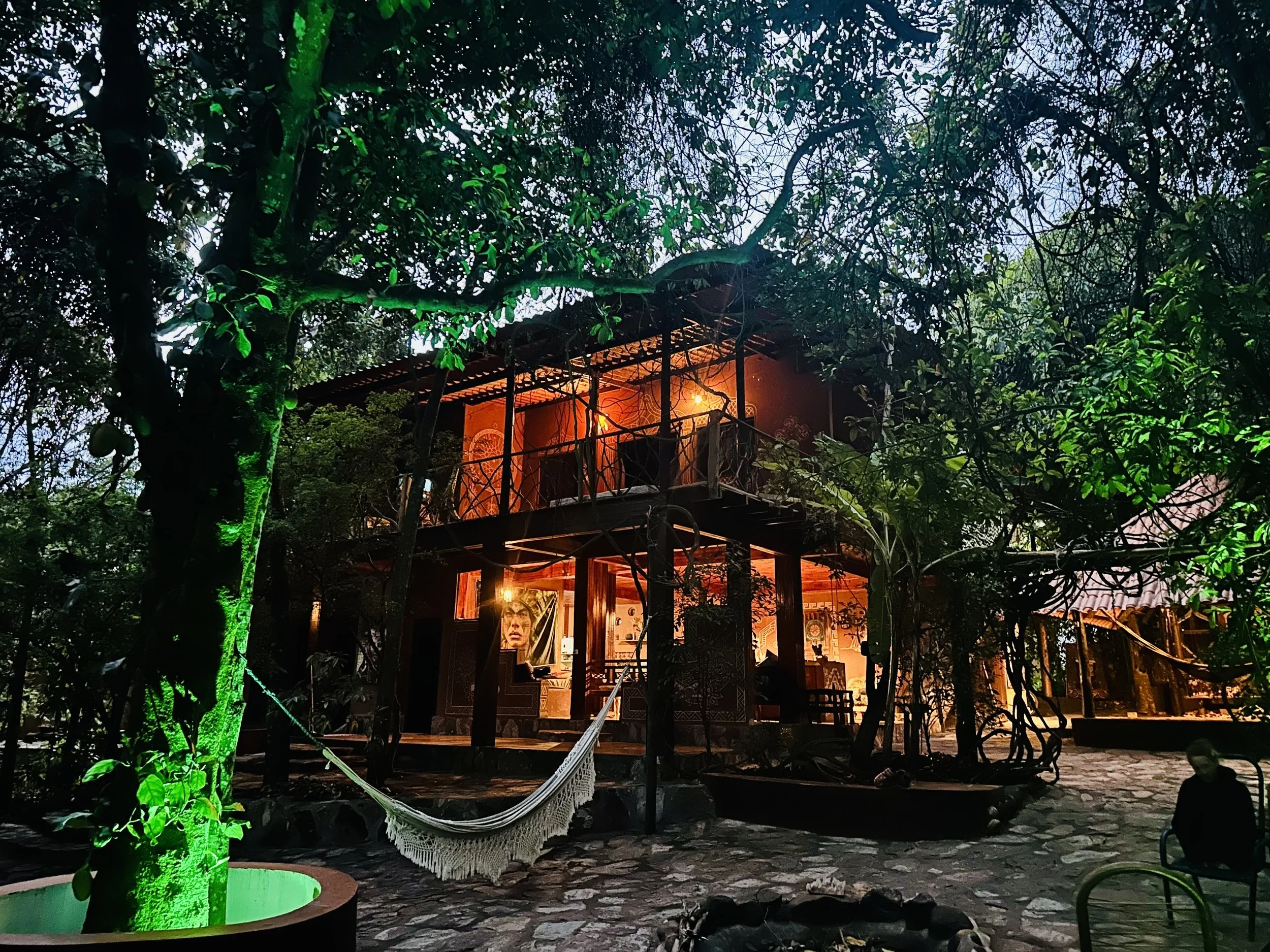
Iboga retreat at Gaya Kali Center
Average Cost of an Iboga Retreat
Across the global landscape, iboga retreats usually fall into the following ranges:
Retreat Type — Typical Cost
Short iboga experience (5–7 days) : $3,000 – $6,000
Full iboga treatment retreat (7–10 days) : $5,000 – $9,000
Extended healing program (10–14 days) : $7,000 – $12,000+
Compared with ayahuasca retreats, iboga programs are typically more expensive. And there are good reasons for that.
Iboga is a far more physiologically demanding medicine and requires significant safety infrastructure.
Why Iboga Retreats Are More Expensive
Compared with ayahuasca retreats, iboga programs are typically more expensive. And there are good reasons for that.
One of the biggest factors behind the higher cost of iboga retreats is something far more basic: the medicine itself is rare, difficult to obtain, and increasingly protected.
Iboga comes from the root bark of Tabernanthe iboga, a shrub native to the forests of Central Africa, particularly Gabon. For generations, the plant has been used within the Bwiti spiritual tradition, where it holds deep cultural and ceremonial significance.
Harvesting iboga responsibly is not simple. Ethical providers do not uproot the entire plant. Instead, only the outer layer of the root bark is carefully harvested, allowing the plant to continue living and regenerating over time. This sustainable method protects the species but also dramatically limits how much medicine can be produced.
And because the demand for iboga has grown internationally, finding authentic, ethically harvested root bark has become increasingly difficult.
Many experienced facilitators are extremely selective about their sources. Medicine from Cameroon, for example, is often considered inconsistent in quality by practitioners who work closely with the plant, whereas iboga from Gabon is widely regarded as the traditional gold standard.
Another challenge is transport. Exporting iboga from its country of origin can involve legal and logistical risks depending on international regulations. Because of this, high-quality root bark is both rare and expensive by the time it reaches retreat centers abroad.
Then there is the ceremony itself.
Unlike many other plant medicines, an iboga experience is not a four- or six-hour journey. A full traditional dose can last 30 to 36 hours, sometimes longer. The main visionary phase often unfolds throughout an entire night and well into the following day, followed by a long period of introspection and integration.
For facilitators and support teams, this means maintaining a continuous ceremonial container for nearly two full days, monitoring participants, providing guidance, and ensuring the process unfolds safely.
All of these factors combined: the rarity of the medicine, ethical sourcing, transport challenges, and the sheer duration of the ceremony; help explain why iboga retreats typically cost more than other plant medicine experiences.
3. Dosage Type: Microdose vs Full Flood Dose
Iboga retreats can vary dramatically depending on the type of protocol offered.
Some programs include:
Microdosing
Small amounts of iboga taken daily or periodically to promote:
neuroplasticity
emotional clarity
improved focus
gradual psychological shifts
Microdosing programs are usually less expensive.
Then there is the full flood dose, the traditional high-dose iboga experience that produces a profound visionary state lasting many hours.
Flood dose sessions require significantly more preparation, supervision, and recovery time.
4. Location
Iboga retreats exist in several regions around the world.
Some of the most common destinations include:
Mexico
Costa Rica
Brazil
Gabon (traditional Bwiti ceremonies)
Portugal
Programs located in remote or protected natural areas often cost more due to logistical challenges and infrastructure requirements.
Iboga Retreats in Brazil
Brazil has recently emerged as an important destination for iboga retreats, partly due to its growing plant medicine culture and legal frameworks surrounding spiritual practices.
One retreat center that offers iboga as part of a broader plant medicine program is Gaya Kali, located in the extraordinary natural landscape of Chapada dos Veadeiros.
Programs there combine traditional plant medicine work with a strong focus on psychological integration and nature immersion.
Retreat participants may work with iboga alongside other medicines such as ayahuasca, wachuma, or psilocybin within a carefully structured ceremonial environment.
The retreat setting: surrounded by waterfalls, ancient quartz formations, and pristine wilderness, creates a powerful container for deep personal transformation.
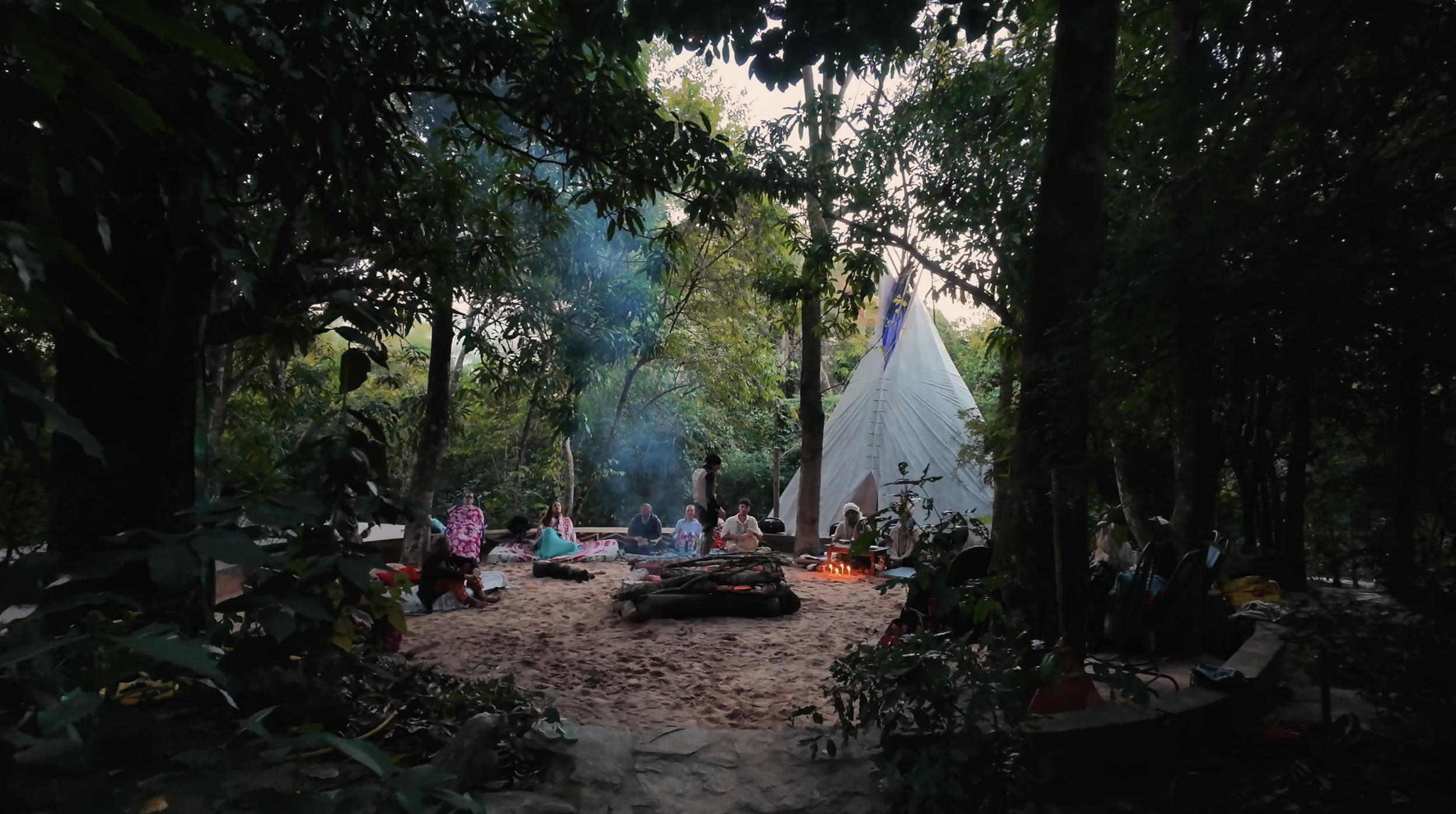
Plant medicine retreats in Brazil, Gaya Kali
Additional Costs to Consider
When planning for an iboga retreat, it’s wise to factor in expenses beyond the retreat fee itself.
These can include:
international flights
transportation to the retreat location
These costs can add anywhere from several hundred to several thousand dollars depending on the location.
Is an Iboga Retreat Worth the Cost?
For many people, iboga represents a turning point in their lives.
Participants often report experiences that help them confront deep psychological patterns, resolve trauma, or gain clarity about their direction in life.
For individuals struggling with addiction, iboga has also attracted attention for its potential to interrupt dependency patterns and stimulate neurological reset.
Because of the intensity of the experience, however, choosing a reputable retreat is essential.
Safety, experience, and proper preparation should always come before price.
Final Thoughts
Iboga retreats are a significant investment, both financially and personally. But for many people, the depth of insight and transformation they experience makes the journey worthwhile.
Whether someone is seeking emotional healing, spiritual insight, or freedom from destructive patterns, iboga can open doors that are difficult to access through conventional methods alone.
The key is finding a retreat environment that combines experience, safety, and integrity—a container capable of supporting the profound process that this ancient African medicine can initiate.